Home / RCA Methods / Bow-Tie & Barrier Analysis
CAUSE METHODS · 04 / 12
Bow-Tie & Barrier Analysis
Every hazard had defences. Which ones failed, and why?
Between every hazard and every person there are defences: design, isolation, permits, protective equipment, emergency response. We test each one, find which were already down before the day began, and trace why they decayed.
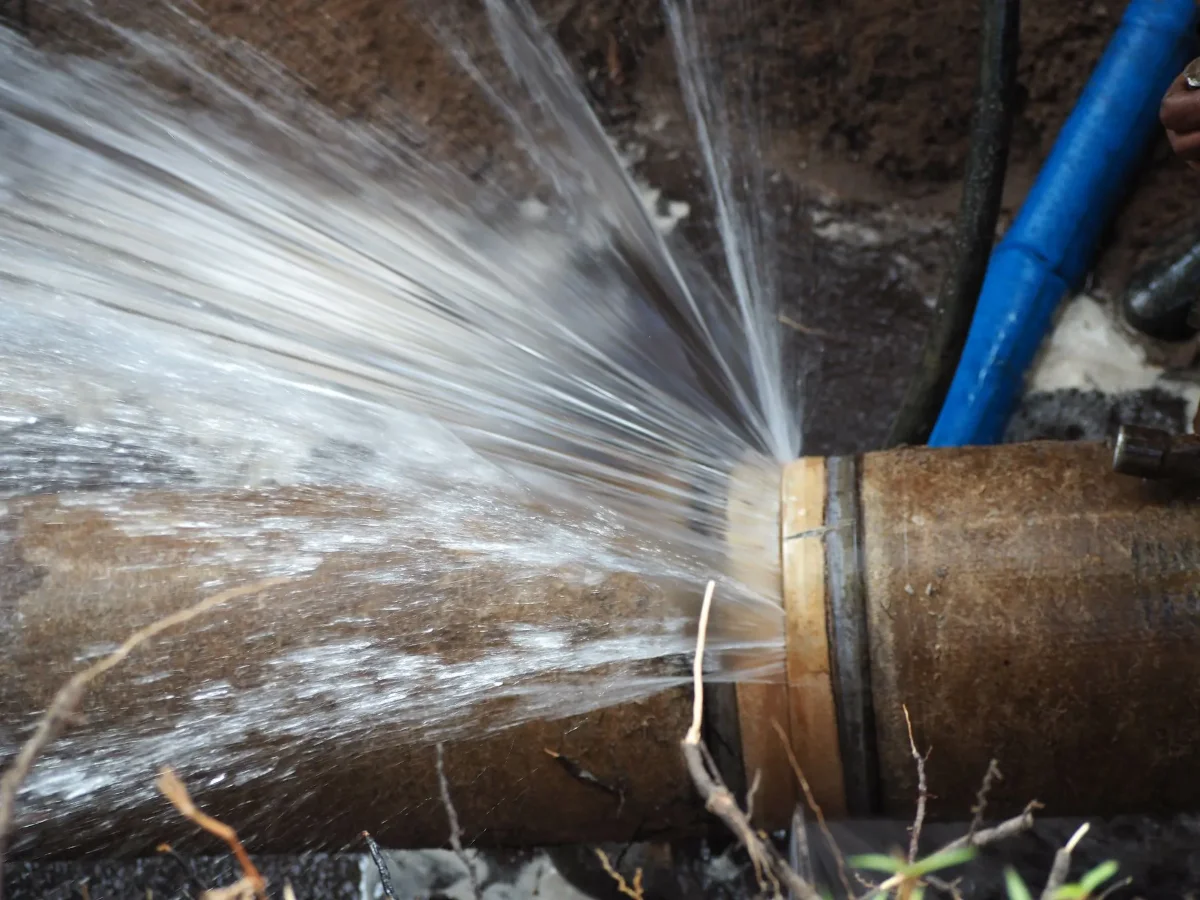
hot oil, 180°C
maintenance fitter
Holes = barriers missing, failed or bypassed before the job began.

Since the 1990s
30
years investigating
250+
investigations closed, incl. HiPOs
15
countries served
20+
countries of lead seminars
100+
nationalities trained
Test the defences
A fitter was burned opening a hot oil line. Five barriers stood in the way.
Reveal how each barrier performed on the day, or tap one at a time. Illustrative example.
BARRIER DETAIL
Tap a barrier to see how it performed on the day.
OUTCOME
0 of 5 barriers tested.
Why process industries rely on it
Luck is not a barrier. The analysis shows where you relied on it.
It separates barriers that failed on the day from barriers that were already gone.
It works for near misses, so you can fix defences before anyone is hurt.
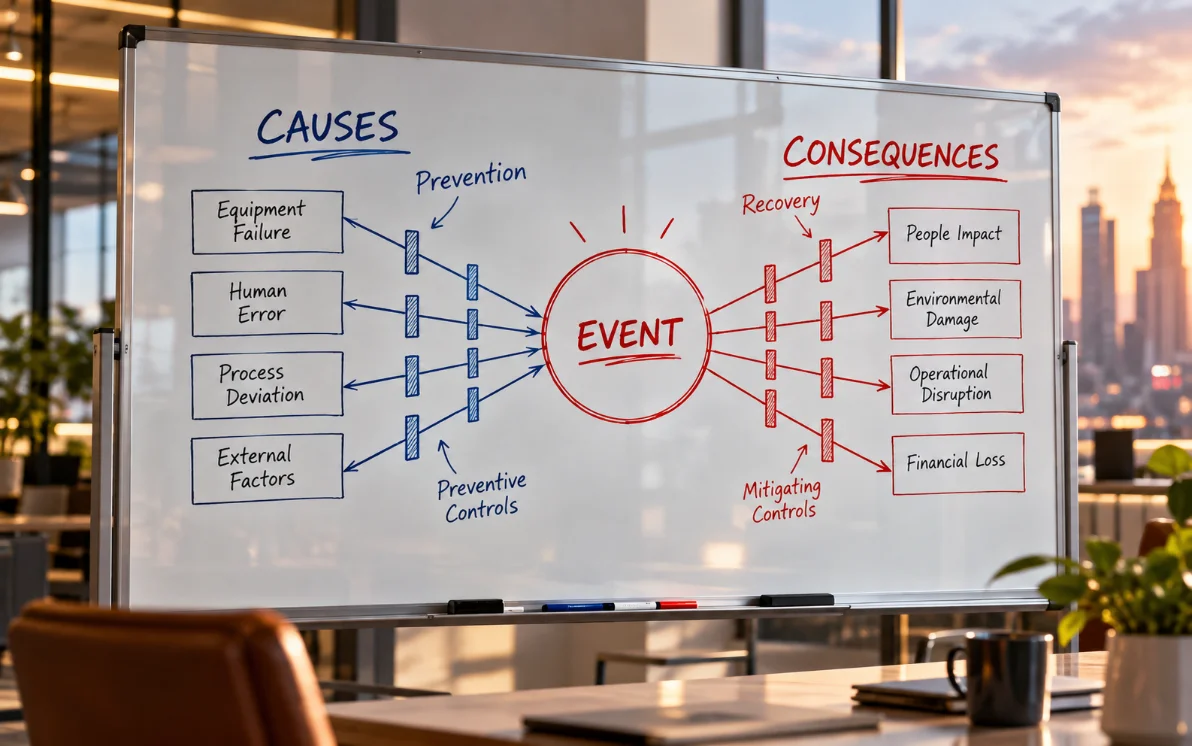
The bow-tie gives leadership one picture of causes, defences and consequences.
Use it for
Process safety and hazardous energy events
High-potential near misses
Checking defences before they are needed
On its own it cannot
Show the order in which things happened
Explain the organisational reasons on its own
Method names are given for reference. Several are proprietary or trademarked; P3i selects the approach that suits each case and does not claim licensed certification in proprietary methods.


A near miss that held by luck? A first call costs nothing, and we will tell you which defences to test.
The P3i approach
How we investigate barrier by barrier. Fact-finding, not fault-finding.
Every P3i investigation is led by a senior investigator and supported by internationally qualified process specialists. You will not receive a list of people to blame, or a long list of generic actions. You will receive the facts, the proven causes, and a short plan that closes the gaps, in this case and across your system.
Independent
No products, repairs or contracts to sell you afterwards.
Senior-led
Thirty years of investigation, from the first call to the final briefing.
Beyond the event
Process specialists find the other cracks before they fail.
Ready to present
Written for boards, buyers, insurers and regulators.
How P3i does it for you
- 01
List the defences
Every barrier between the hazard and your people or assets.
- 02
Test each one
Missing, weak, bypassed or never used.
- 03
Draw the bow-tie
From causes through the event to consequences.
- 04
Find why barriers decayed
Maintenance, design, habit or budget.
- 05
Restore the strongest barriers first
Not more rules — better defences.
What you receive
Call us when
Free 30-minute case assessment.
Tell us what happened. In confidence, we will tell you what the investigation should cover, how long it will take and what to preserve today.
Questions
What plant managers ask about barriers.
What counts as a barrier?
Anything that stops a hazard reaching a person, asset or the environment: design, engineering controls, procedures, permits, protective equipment and emergency response.
What is a bow-tie?
A single diagram showing the causes of an event on one side, its consequences on the other, and the barriers on both sides.
Can you use it for a near miss?
Yes. Near misses are where barrier analysis is most valuable, because the gaps can be closed before anyone is hurt.
Does it replace our risk assessment?
No. It tests whether the barriers in your risk assessment actually worked, and updates it with what was found.
Test every defence. Before the hazard does.